
W Pattern Trading: Understanding Market Reversals


Investment Dictionaries
Understanding the jargon of trading can be overwhelming, especially with strategies like W pattern trading that require awareness of nuanced terms. Here, we’ll outline key concepts that will frame our discussion and further solidify your grasp of the trading landscape.
Key Terms and Definitions
- W Pattern: A technical analysis formation that resembles the letter "W," typically indicating potential bullish price reversal. It is characterized by two troughs followed by a higher peak, signifying increasing buying interest.
- Resistance Level: A predetermined price point where a security tends to stop rising, as selling interest increases. In the context of a W pattern, it marks the peak that traders watch closely for a breakout.
- Support Level: Conversely, this is a price level where a downtrend can be expected to pause due to a concentration of demand. For this pattern, the troughs represent support, and understanding this concept helps in predicting future price movements.
- Volume: The total number of shares or contracts traded for a particular security in a given timeframe. In trading patterns, volume can validate the strength of a breakout or reversal.
- Stop-Loss Order: An order placed with a broker to buy or sell once the security reaches a certain price. It is vital for risk management when trading patterns like the W pattern.
Common Investment Strategies
W pattern trading fits within a broader set of strategies employed by savvy traders. These include, but aren’t limited to, the following:
- Breakout Trading: This strategy capitalizes on price movements beyond resistance or support levels, providing entry (or exit) points based on specific patterns. W patterns facilitate breakout trading when price moves above the resistance level.
- Trend Following: In this strategy, traders look to capture profits by analyzing the momentum of asset movements. A W pattern can serve as a useful indicator that the trend may reverse to favor buyers following a downturn.
- Swing Trading: This approach involves taking advantage of price swings over days or weeks, thus capitalizing on short-term movements. Recognizing a W pattern can help swing traders identify an optimum entry point where price may soon rise.
Expert Advice
As with any trading approach, leveraging the W pattern effectively requires both foundational knowledge and practical insight. The following segments offer tailored advice for traders at various levels.
Practical Tips for Novice Investors
- Start by Practicing: Use virtual trading accounts to execute trades based on identified W patterns without risking real capital.
- Follow the Volume: Pay attention to volume spikes when price approaches the resistance level of a W pattern. Higher volume often indicates stronger buying momentum.
- Combine with Other Indicators: Integrating W patterns with other technical indicators—like moving averages or Relative Strength Index (RSI)—can provide a well-rounded perspective.
Advanced Techniques for Experienced Investors
- Identify Variations of W Patterns: Advanced practitioners should be well-versed in identifying variations like the inverse W or how the size and duration of the pattern affect risk and reward.
- Employ Fibonacci Retracement: This technique can compliment the analysis of W patterns, assisting in determining potential price targets and stop-loss levels—especially useful in volatile markets.
- Focus on Risk Management: Use W patterns in conjunction with predetermined stop-loss strategies to manage risk effectively, ensuring that you don’t overextend on any single trade.
"Understanding the nuances of W pattern trading can be the difference between fleeting success and long-term profitability in the market."
In summary, dissecting the W pattern trading strategy can shed light on the psychology of market movements and traders' behaviors, giving you an edge in your investment journey.
Foreword to W Pattern Trading
The concept of W pattern trading is not merely a technique; it serves as a fundamental tool for traders keen on identifying potential price reversals in various financial markets. Understanding this trading strategy equips both novice and seasoned traders with a reliable means to optimize their investments and minimize risks. As markets fluctuate and investor sentiment shifts like the tides, the W pattern stands out as a beacon, indicating moments where a reversal may occur.
Defining the W Pattern
At its core, the W pattern emerges in price charts when the price experiences a decline, followed by a bounce upwards, dips down again, and finally rises again to complete the shape of the letter "W." The two troughs are crucial; they indicate support levels where buyers are willing to step back into the market. Drawing attention to this pattern can signal to the trader that the market might be poised for a significant upward movement, making it an essential aspect of technical analysis. Traders often look for confirmation signs, such as increased volume during the breakout phase, to validate that the W pattern indeed reflects a genuine shift in market dynamics.
Historical Context and Evolution
The historical roots of the W pattern in trading can be traced back to the early developments of technical analysis. Influential figures like Charles Dow, one of the pioneers of market speculation, laid the groundwork for recognizing price patterns as indicators of future moves. Over the decades, this method has evolved, increasingly relying on sophisticated charting software and tools that have made pattern recognition more accessible for everyday traders.
As technology progressed, the character and significance of the W pattern morphed as well, with traders adopting algorithmic trading which employs machine learning to identify these formations in real-time. This evolution highlights not just the adaptability of the W pattern but underscores its relevance in contemporary trading strategies. The enduring nature of the W pattern serves to enrich the trader’s arsenal, offering a blend of historical insight and modern technological advancements.
With a solid grasp on what the W pattern is and how it came to be recognized in trading circles, traders can begin to understand the psychological elements influencing market behaviors—an understanding that will be elaborated upon in subsequent sections.
Understanding Market Psychology
Understanding market psychology is paramount when it comes to the effectiveness of W pattern trading. The very essence of this approach hinges on the collective behaviors, emotions, and decision-making processes of market participants. Recognizing these psychological elements can provide traders with an edge, allowing them to foresee possible price movements.
Traders often act on instinct rather than purely on data. This instinctual response is influenced by various factors, such as market rumors, news releases, and even broader economic indicators. Emotional climates can shift quickly; the thrill of a potential profit may push someone to buy impulsively, whereas fear might lead another to sell off in a panic.
In W pattern trading, understanding these sentiments helps in predicting reversals. When a W pattern forms, it implies that a decline in prices has stoked concerns among traders, driving initial sell-offs. However, buyers enter the fray, believing a rebound is imminent. This tug-of-war between fear and optimism is what makes the pattern significant.
The Role of Trader Sentiment
Trader sentiment is like the weather; it changes, sometimes with little warning. The sentiments behind market movements are not just influenced by technical indicators but also by external factors. Breaking news about economic data or geopolitical developments can shift the market’s collective mood faster than you can say “bull market.”
Here are a few key points to consider regarding trader sentiment:
- Collective Behavior: Traders often mimic peers or follow trends, sometimes leading to herd behavior. This can exaggerate either market gains or losses.
- Market Cycles: Different phases of market cycles—like euphoria or panic—directly correlate with trader sentiment, amplifying the presence of the W pattern.
- Psychological Traps: Many traders fall victim to confirmation bias, seeking evidence to support their beliefs while ignoring opposing data.
Thus, gauging trader sentiment is indispensable in W pattern trading. If the mood among traders reflects an optimistic outlook, one might expect that a confirmed W pattern could lead to a price increase rather than a continued downturn.
Behavioral Patterns in Trading
Behavioral patterns can dictate how traders respond to market changes. When faced with certain scenarios, their reactions often resemble past behavior rather than rational analysis. In the context of W pattern trading, examining these patterns can yield crucial insights.

Several typical behavioral tendencies to note include:
- Loss Aversion: Traders are usually more sensitive to losses than they are to gains. In a W pattern scenario, the initial dip may invoke fears, leading to impulsive selling before buyers recognize the reversal potential.
- Anchoring: Traders might anchor themselves to previous price trends, which can skew future expectations. A trader overly fixated on a downward price might miss the buy signal that often accompanies the second bottom of the W.
- Overconfidence: Traders may place too much faith in their trading decisions once a W pattern is identified. It’s essential to back this confidence with data and strategy.
Understanding these behavioral patterns allows traders to refine their strategies, enhancing their responses to emerging W patterns. Predictions become more accurate, which can lead to more profitable trades.
Overall, the intricate dance between market psychology and trading strategy cannot be overstated; it is that dance that often distinguishes successful traders from those who merely follow the crowd.
Identifying the W Pattern
Identifying the W Pattern in trading is like finding the needle in a haystack, crucial yet often overlooked. This section makes it clear why recognizing this specific chart formation can be a game-changer in trading strategies. Understanding how to pinpoint the W Pattern can lead to more informed decisions, aiding traders in catching potential reversals at the opportune moments. A well-timed identification can transform a trader's chances of success, making this a must-know aspect of technical analysis.
Chart Analysis Techniques
When it comes to identifying the W Pattern, chart analysis is your bread and butter. Traders often employ a mix of visual and quantitative methods.
- Visual Analysis: Start by scanning your charts for the telltale twin troughs, which form the bottom of the ‘W’. The space between these troughs usually marks an area where buying momentum is gathering steam.
- Indicators: Many traders lean on indicators like the Relative Strength Index (RSI) or moving averages to back their visual findings. These tools can affirm a potential reversal if they signal divergence around the formation of the pattern.
For instance, if a trader sees a W Pattern taking shape while the RSI dips into oversold territory, it adds credibility to the move and signals a potential buying opportunity. Moreover, it's not unheard of to use Fibonacci retracement levels to confirm where the pattern plays out in the broader trend, offering added reassurance before committing to a trade.
Key Characteristics of the W Pattern
The W Pattern isn't merely a whimsical shape on a chart; it has distinct characteristics that set it apart.
- Two Distinct Troughs: Each trough represents an opportunity for traders to capitalize on low prices before a rise. The depth of these troughs can vary but ideally, they should retreat to similar price levels, enabling traders to identify a reliable reversal signal.
- Neckline: This is the horizontal line that connects the top points of the peaks formed before the W's troughs. Successful breakouts usually occur when the price surges above this neckline, confirming the pattern.
- Volume: An increase in trading volume during the breakout further validates the strength of the move. Typically, a sudden spike in volume helps add legitimacy to the pattern, as it signals increased market interest.
Recognizing these characteristics helps traders differentiate between genuine setups and misleading formations, crucial for maintaining an edge.
Variations of the W Pattern
The W Pattern isn't a one-size-fits-all situation; different variations exist that can suit various trading styles and market conditions.
Double Bottom Variation
The Double Bottom Variation is often considered the classic version of the W Pattern. This pattern occurs when there are two significant lows at roughly the same price level, followed by a rally. What makes it noteworthy? The landmark characteristic here is the horizontal neckline that, once broken, typically sees momentum build. What makes it a beneficial choice is its simplicity; local resistance levels can be easily identified, allowing traders to plan entry and exit points effectively. However, one unique feature is the potential for false breakouts. If traders get too eager, they might jump in on false signals, emphasizing the need for due diligence before taking any positions.
Inverse W Pattern
The Inverse W Pattern, or M Pattern, flips the script on traditional expectations. Here, the structure forms a series of peaks instead of troughs. Its key characteristic is a strong indication of a potential downturn rather than an upswing, making it a popular choice among short-sellers looking to capitalize on market reversals. The unique feature of the Inverse W is its alignment with bearish market sentiment. Traders need to be cautious, however, as identifying this pattern requires a keen eye for detail — the peaks must align well to validate its formation. The risk is that market fluctuations can lead to premature conclusions, often requiring adjustments to stop losses.
Extended W Patterns
Extended W Patterns take the classic shape and stretch it out over a longer timeframe, often signaling more profound shifts in market conditions. Essentially, these patterns evolve slowly and usually develop over weeks or months, with multiple retests at key levels, elongating the 'W' formation.
This key characteristic bolsters traders who favor a longer-term approach, as it often correlates with stronger underlying fundamentals compared to its shorter counterparts. Yet, this also means it requires patience and resilience. In an age of fast-paced trading, such an approach may seem tedious, but the unique feature of the Extended W Pattern is its potential for higher reward-to-risk ratios. As with any design, liquidity tends to dwindle over time, challenging some traders who wish to capitalize on the move.
By understanding these various patterns, traders can better prepare themselves for opportunities that fit their style and risk appetite.
Trading Strategies Using the W Pattern
In the world of trading, having a robust strategy can make all the difference, especially when dealing with the W pattern. Recognizing this pattern is just the first step; how you leverage it to make informed trades is what ultimately defines success in your trading journey. Trading strategies utilizing the W pattern are paramount because they combine technical analysis with market behavior, helping traders to capitalize on potential reversals and optimize their positions.
Entry and Exit Points
Identifying the right entry and exit points is crucial when implementing any trading strategy, and the W pattern is no exception. Once a trader identifies a completed W pattern on a chart, it signals a potential upward movement. Here’s how you can nail down those points effectively:
- Enter After Confirmation: An entry should be considered after the pattern is confirmed. This typically occurs when pricing breaks through the neckline of the W, often showing convincing momentum. Just jumping in too early is a rookie mistake. Instead, wait for the breakout to validate that buyers are in control.
- Setting Targets: When you take a long position based on the completion of a W pattern, it's wise to estimate your price target. This can be done by measuring the distance between the lowest point of the W (the trough) and the neckline, then projecting that distance upward from the break of the neckline.
- Monitoring Volume: A trade’s strength often correlates with volume. Higher volume upon breakout can further validate that the W pattern is indeed playing out as expected. Watching for increased activity adds another layer of certainty to your entry strategy.
- Exit Strategies: When it comes to exits, it’s critical to have a plan in place. This can include setting a specific profit percentage or a trailing stop, safeguarding your gains as the price moves up. Some traders also choose to let half of their position ride, taking profits on the other half to reduce risk while still capitalizing on potential upward momentum.
“Trading is not about being right; it’s about being profitable.”
Setting Stop Losses
Setting stop losses is an integral aspect of any successful trading approach. While the W pattern provides an excellent opportunity for potential gains, it's vital not to ignore the inherent risks that come with trading. Here's how you can effectively set up your stop losses:
- Identify Logical Levels: Position your stop loss at a key level that, if breached, indicates that your trade is likely no longer valid. This is typically just below the lowest point of the W pattern. By doing this, you're allowing a small buffer for market fluctuations while protecting yourself from larger losses.
- Consider Volatility: Different markets or assets exhibit varying degrees of volatility. Adjusting your stop loss to account for an asset's historical fluctuations can prevent you from being prematurely stopped out during regular price swings.
- Using ATR for Dynamic Stops: The Average True Range (ATR) indicator can be a good tool to help set more dynamic stop losses. By measuring market volatility, you can adapt your stop loss levels to current conditions, allowing for more flexibility in your trading positions.
- Avoid the All-or-Nothing Approach: It’s worth noting that some traders may make the mistake of setting just one static stop loss. Instead, consider implementing a tiered approach where you gradually adjust your stop loss as the price moves in your favor, locking in profits without keeping your stop loss too tight.
By developing effective entry and exit strategies and diligently setting stop losses, traders can harness the potential of the W pattern to achieve their trading goals. The balance of risk and reward becomes more manageable, increasing your chances of succeeding in the often capricious world of trading.


Risk Management Techniques
Effective risk management sits at the heart of successful trading strategies. It’s like a sturdy bridge over tumultuous waters, guiding traders safely across the risks inherent in the market. In the realm of W Pattern Trading, where traders anticipate price reversals, understanding how to mitigate risk can mean the difference between a notable gain and a devastating loss. Hence, the focus here is not just when to dive into trades, but how to safeguard one's capital against unexpected market shifts.
Assessing Risk to Reward Ratios
One of the foundational principles of any trading strategy is the risk-to-reward ratio. This concept gauges how much risk a trader is willing to undertake versus the potential reward of making that trade.
Typically, traders aim for a ratio of at least 1:2, meaning for every dollar risked, there should be a potential profit of at least two dollars. Here’s a breakdown of the process to assess these ratios effectively:
- Identify Entry and Exit Points: Determine where to enter a trade based on the characteristics of the W pattern. Once identified, establish your potential exit point for profit and your stop-loss level to minimize losses.
- Calculate Potential Move: Measure the distance between the entry point and the target exit. This will help identify the potential reward.
- Set Your Stop-Loss: A stop-loss is a critical tool in limiting potential losses. Set your stop-loss slightly below the neckline of the W pattern, which acts as a support level. If the price dips below this point, the trade should be exited to avoid larger losses.
- Compute the Ratio: Use the potential profit (from entry to target exit) compared to the loss (the distance from entry to stop-loss). If the resultant figure meets or exceeds the desired ratio, it’s a good recipe for a trade.
"By keeping a sharp eye on risk-to-reward ratios, traders can avoid the pitfall of letting a single loss erode their capital non-stop."
Diversification Strategies
Diversifying investments is akin to not putting all your eggs in one basket. In a volatile market, relying solely on W patterns can expose a trader to undue risk. Implementing diversification can preserve capital and spread out the risks across various assets or sectors.
Here are some practical strategies for diversification in the context of W Pattern Trading:
- Asset Classes: Consider diversifying across different asset classes—like stocks, bonds, and commodities. For instance, if one sector experiences a downturn, another might be thriving, balancing the overall portfolio.
- Geographic Diversification: Investing in different geographical areas can also buffer against localized market contractions. This could involve looking beyond domestic stocks to international markets.
- Sector Selection: Expanding into varied sectors can cushion losses. If utilities are performing poorly, healthcare or technology might produce the returns needed to sustain overall profitability.
- Time Horizons: Think about balancing short-term trades with long-term investments. W patterns often represent short-term trading opportunities, while other investments could have a longer timeline, which may help absorb volatility elsewhere.
By adopting these diversification principles, traders can effectively mitigate risks associated with specific trades, including those based on W patterns, ensuring that their portfolios remain resilient in the face of market unpredictability.
Integrating Other Technical Indicators
In the realm of trading, W pattern trading stands out as a method for identifying potential price reversals. However, relying solely on this pattern can lead to oversights. Thus, it becomes crucial to consider other technical indicators to enhance trading decisions. Integrating these indicators not only diversifies insights but also provides a fuller picture of market dynamics.
When traders combine various tools, they can corroborate the signals generated by the W pattern. This is akin to fitting pieces of a puzzle together; the more pieces you have, the clearer the image becomes. Integration can also mitigate false signals, which are an ever-present risk in trading. By employing complementary indicators, traders can develop a comprehensive strategy that boosts the likelihood of making informed decisions.
Moving Averages
Moving averages serve as fundamental tools that traders often use in tandem with the W pattern. They help smooth out price data over a certain period, giving insights into overall trends. When discussing moving averages, two main types come into play: the simple moving average (SMA) and the exponential moving average (EMA).
The SMA calculates the average price over a specified timeframe, making it relatively straightforward. For instance, if you are looking at a 10-day SMA, it adds the closing prices over those ten days and divides by ten. This method can show overall price movement but can be reactive to sudden price changes.
On the other hand, the EMA gives more weight to recent prices, increasing its responsiveness. This aspect makes EMAs particularly useful in identifying potential entry and exit points when used alongside the W pattern. For example, if a W pattern is identified and the price crosses above the EMA, it can signal a possible bullish reversal.
Volume Analysis
Volume analysis is another essential indicator to incorporate into W pattern trading. Volume represents the total number of shares or contracts traded for a particular asset during a specific period. When analyzing volume in the context of the W pattern, traders look for shifts in volume to validate the pattern's reliability.
A common approach is to observe volume spikes as the price forms the two bottoms of the W pattern. Higher volume on the second bottom indicates stronger buying pressure, suggesting a more robust reversal. In simple terms, it’s like watching a crowd at a concert. If the crowd cheers louder at a specific moment, it amplifies the importance of that moment.
Furthermore, volume trends can help identify potential breakouts. If a W pattern forms alongside increasing volume, it strengthens the credibility of the signal. On the contrary, low volume during the breakout phase raises red flags, hinting that the move might lack conviction. Therefore, incorporating volume analysis into your trading approach can provide substantial insights and help in making more informed decisions.
"Integrating different technical indicators offers a comprehensive perspective that can significantly improve trading accuracy."
Psychological Aspects of Trading
Understanding the psychological aspects of trading is crucial for anyone navigating the complexities of financial markets. Trading is often more a test of mental resilience than mere technical skill. This section aims to address particular considerations that traders should grasp to thrive in a volatile environment.
Overcoming Emotional Bias
Emotional bias can be a significant stumbling block for traders, leading to hasty decisions that deviate from well-thought-out strategies. Traders, especially novices, may find themselves trapped by fear or greed—two potent emotions in the trading sphere. Fear can prompt one to exit trades prematurely, while greed may push a trader to hold onto a position longer than prudent.
To combat emotional bias, traders should consider a few strategies:
- Awareness and Acknowledgment: Identify personal emotional triggers that influence trading decisions. Maintaining a journal that records feelings and outcomes can help recognize patterns.
- Decision-Making Framework: Establish a set of rules for trading based on logic rather than emotions. When faced with a decision, sticking to a predetermined plan can mitigate impulsive reactions.
- Practice Mindfulness: Simple breathing exercises or meditation can help center your thoughts and reduce anxiety, fostering a clearer mindset during trading.
“The market is a reflection of all participants. To change your results, you may have to change your mindset.”
Developing a Trading Routine
Creating and sticking to a trading routine can greatly enhance emotional stability. Predictability is key; having a structured approach allows traders to focus on analysis rather than get caught up in the day-to-day noise of the market.
A well-crafted trading routine might include:
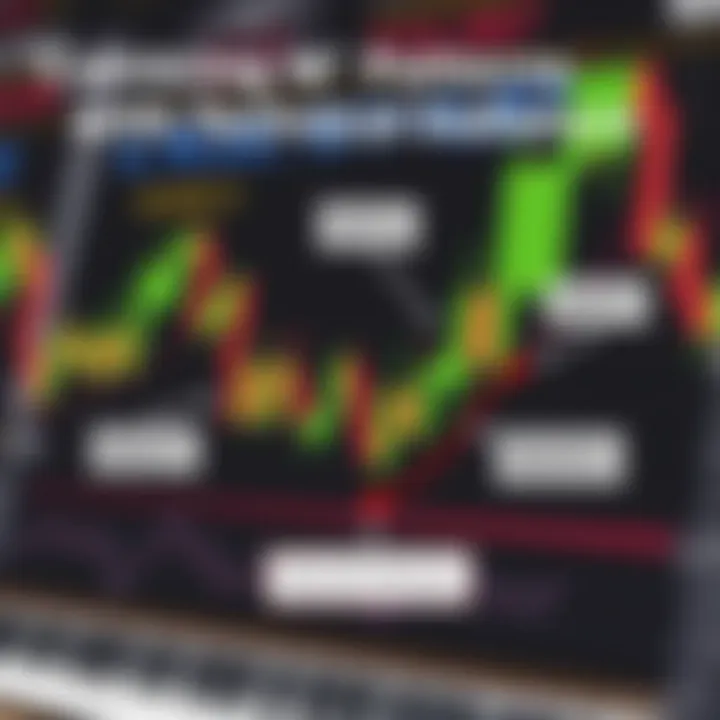
- Market Analysis: Dedicate specific time slots each day to thoroughly analyze charts, including recognizing W patterns and assessing other technical indicators.
- Reviewing Trades: Allocate time weekly to evaluate recent trades. Analyze both wins and losses—what went well and what could have been done differently?
- Setting Goals: Outline clear, measurable objectives related to both performance and personal development. Having a mix of short-term and long-term goals lays the groundwork for sustained improvement.
- Stay Educated: Continuous learning about market trends, technical analysis, and psychological resilience keeps traders grounded in their pursuit of success.
By establishing a routine, traders can curtail impulsive decisions driven by emotional highs and lows. This systematic approach not only enhances their understanding of the market but also fortifies their psychological fortitude as they engage with trading strategies and tactics.
Case Studies and Real-World Applications
The examination of case studies provides invaluable insight into the practical implementation of the W pattern trading technique. These instances not only illustrate the efficacy of this strategy but also underscore common pitfalls and missteps that traders encounter. Exploring successful trades can serve as a roadmap, while failed trades offer critical lessons that can refine future trading approaches. By grounding theoretical knowledge in real-world scenarios, investors and traders can better grasp not just how to recognize the W pattern, but when and under what market conditions it may prove most beneficial.
Successful Trades Using the W Pattern
Success stories abound in the realm of W pattern trading, demonstrating its potential to identify significant price reversals. For example, let’s examine a case in the tech sector with a stock like Amazon. In late 2020, after experiencing a drop from its peak price, the chart began to form the characteristic W shape. The reaction to this development among traders was heavily influenced by positive market sentiment surrounding e-commerce growth, particularly due to changing consumer habits during the pandemic.
- Confirmation Signals: As the price moved back up to the resistance level formed at the top of the first peak, trading volume surged. This volume increase acted as a confirmation signal for many traders, validating the potential of the W pattern.
- Entry and Exit Points: Most traders entered a long position once the price broke above the resistance, setting targets just beyond the second peak. A risk-to-reward ratio of 2:1 was commonly applied, allowing them to enjoy considerable returns as the price rallied following the breakout.
Another compelling example can be seen in the cryptocurrency space with Bitcoin’s price action post-2018 bear market. The W pattern formed in early 2019 as traders indicated renewed interest in the asset. Here, the psychological element played a substantial role; a shift in sentiment encouraged new buyers stoked by the fear of missing out, which further drove the price up. Traders who identified this W formation could have capitalized significantly, riding the wave of the ensuing bull cycle.
Lessons Learned from Failed Trades
Not all attempts to utilize the W pattern end in triumph, and learning from these unsuccessful trades is just as crucial. For instance, during the market fluctuations of 2022, many traders mistakenly identified a W pattern on a stock like GameStop. The allure of the rapidly rising price led to widespread speculation; however, when the anticipated breakout failed to materialize, those who entered at the wrong moment faced substantial losses.
- Over-Reliance on Patterns: One of the main takeaways from this situation is that traders should avoid becoming overly reliant on pattern recognition alone without considering broader market conditions. A W pattern that appears to be forming in isolation, without supportive indicators or contextual market sentiment, could yield false hope.
- The Importance of Risk Management: Many traders neglected their stop-loss strategies, which is a classic error. Learning to accept a loss in the face of a market that refuses to behave as predicted can save a trader's portfolio from unnecessary damage. Consequently, coupling W pattern analysis with sound risk management principles will enhance overall trading efficacy.
In summary, the lessons drawn from both successful and failed trades using the W pattern deliver a rich landscape of insights. Successful trades showcase the effectiveness of pattern recognition when aligned with solid market analysis, while failures serve as a reminder of the market’s unpredictable nature. Engaging with these real-world applications fosters a deeper understanding of both the strengths and limitations of the W pattern trading strategy.
Tools and Resources for the Trader
In the fast-paced world of trading, having the right tools and resources can make the difference between success and failure. This section outlines the essential tools that traders should have at their disposal, focusing especially on charting software and educational resources. Understanding these elements helps traders refine their strategies, monitor market movements effectively, and ultimately improve their trading performance.
Charting Software Recommendations
Finding the right charting software is crucial for any trader, especially those who focus on patterns like the W pattern. Good software provides the graphical representation of market data necessary to analyze price movements and set up trades.
- MetaTrader 4 (MT4): This platform remains a favorite among traders for its user-friendly interface and robust analytical tools. With MT4, traders can customize charts, apply various indicators, and set alerts when prices reach predetermined levels.
- TradingView: Known for its social trading features, TradingView offers a cloud-based platform that enables traders to access charts from any device. It’s versatile, providing innovative charting tools that allow for intricate technical analysis, making it suitable for both novice and expert traders.
- NinjaTrader: Aimed primarily at futures and forex traders, NinjaTrader offers advanced charting options and backtesting capabilities, enabling users to simulate their strategies before committing real money. Furthermore, its extensive community support is a bonus.
When choosing charting software, consider factors such as ease of use, the range of technical indicators available, and community support. The right software can simplify how traders track patterns and make decisions.
Educational Resources
Even the best tools won't yield profits without a solid understanding of trading principles. For traders looking to enhance their skills and understanding of the W pattern, an investment in education is essential.
- Books: Titles such as "Technical Analysis of the Financial Markets" by John J. Murphy offer deep dives into technical analysis, including chart patterns like the W pattern. Reading such comprehensive books can build a solid foundation in trading.
- Online Courses: Websites like Coursera and Udemy host a plethora of courses on trading strategies. Engaging with these courses can provide structured learning that is often more digestible than independently sifting through information.
- Webinars and Workshops: Platforms like Learn to Trade provide live sessions where traders can interact, ask questions, and share experiences. These sessions can keep traders updated on new techniques and market movements.
- Forums and Online Communities: Engaging with fellow traders on platforms like Reddit can provide insightful commentary and real-time feedback on strategies. Discussing with others allows for the exchange of ideas and exposure to various trading styles.
"Education is the foundation of every successful trader. Invest time in learning, and the returns will follow."
Resources like academic journals and investment-related articles from sites like Investopedia can also be invaluable. Staying informed about market trends and emerging strategies is key in an ever-changing trading landscape.
In summary, the tools and resources available to traders not only enhance the trading experience but also support the development of strategies around the W pattern. Equipping oneself with the right software and continuously seeking educational opportunities is critical to achieving trading success.
Epilogue
In this section, we will explore the significance of the conclusions drawn from our discussion on W pattern trading. Understanding the overall narrative helps solidify the knowledge gained, ensuring that traders are well-equipped to implement this strategy into their practices.
First and foremost, it is pivotal to grasp that recognizing a W pattern is not merely about spotting it on a chart; it's also about understanding what the pattern represents within the broader market context. Traders must acknowledge the psychology behind the W pattern—how market participants react to price movements, leading to the potential for reversals. Traders who leverage this understanding can position themselves advantageously as they anticipate price shifts with greater accuracy.
One key takeaway from our exploration is the importance of integrating W pattern analysis with sound risk management strategies. As emphasized in earlier sections, the market can often be unpredictable, so simply executing a trade based on pattern recognition isn’t sufficient. Effective risk management not only mitigates potential losses but enhances overall trading performance. Thus, a trader's toolbox should always include criteria for setting stop-loss orders as well as utilizing risk-to-reward ratios effectively.
Moreover, the mention of combining W patterns with other technical indicators has shown that this multifaceted approach can provide deeper insights and validate trading decisions. Utilizing moving averages and volume analysis in conjunction with W patterns allows traders to ensure they are not just following a trend blindly but are instead guided by data-driven strategies.
"To trade effectively, think like a detective, piecing together clues and evidence to form a comprehensive view of the market."
This notion encapsulates the analytical mindset essential for successful trading.
These insights not only refine trading strategies but also allow for a holistic view of market dynamics. The incorporation of behavioral trading patterns further enriches the trader’s approach, heightening their ability to adapt and respond to market fluctuations.
Finally, looking down the road, it is clear that W pattern trading is not static. The landscape of financial trading is ever-evolving, driven by both technological advancements and changes in trader behavior. This calls for continual learning and adaptation, which is critical for staying relevant in this environment. As traders reflect on their experiences—both successes and failures—they should cultivate a growth mindset that embraces this evolution.
Summarizing Key Takeaways
- W pattern trading is more than just recognizing patterns; it involves understanding market psychology and trader sentiment.
- Effective risk management techniques are crucial for leveraging W patterns successfully.
- Integrating W patterns with other technical indicators can enhance trading strategies.
- Continuous learning and adaptation are essential in the evolving trading landscape.
Looking Ahead: Future Trends in W Pattern Trading
As we cast our gaze forward, several trends in W pattern trading stand out. The rise of algorithmic trading and advanced analytics is reshaping traditional patterns, allowing traders to identify and execute trades with greater precision and speed.
- Increased Use of Automation: Traders are beginning to leverage automated systems that can scan markets for W patterns, reducing the time spent on manual analysis. This is particularly valuable in fast-moving markets where timing is crucial.
- Real-Time Data Utilization: With improvements in technology, traders now have access to real-time data, which enhances their ability to make informed decisions promptly. This immediacy supports better integration of W patterns within broader trading strategies.
- Psychological Tools: As market psychology gains more attention, tools aimed at helping traders manage their emotional biases are becoming common. These tools can support decision-making when trading based on the W pattern.
- Community Driven Learning: The online trading community, including platforms like Reddit and specialized forums, encourages sharing strategies and experiences with W pattern trading. Engaging with peers can provide insights into real-world applications and emergent techniques.
For further information, you may explore resources from educational domains like Wikipedia, Investopedia, or specialized trading communities on Reddit.